VCF 9.1 Home Lab Series – Part 3: Pre-Deployment Planning

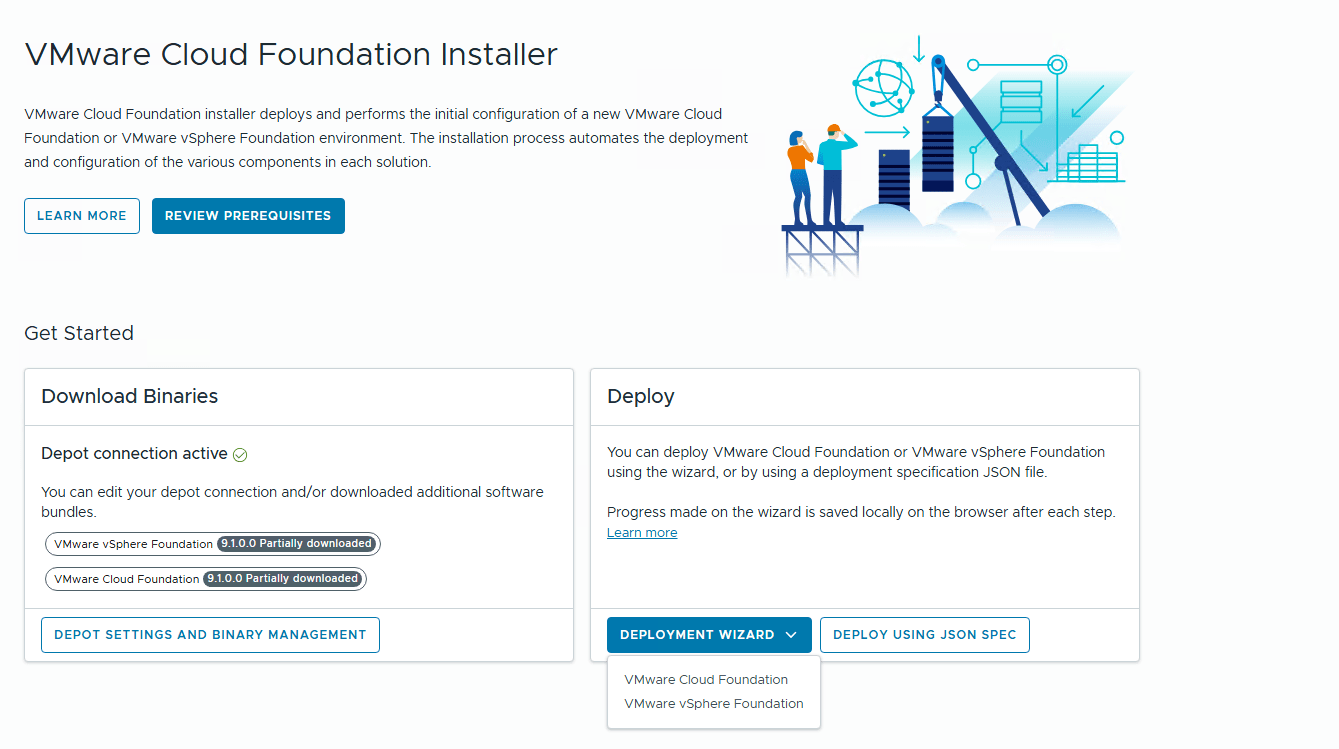
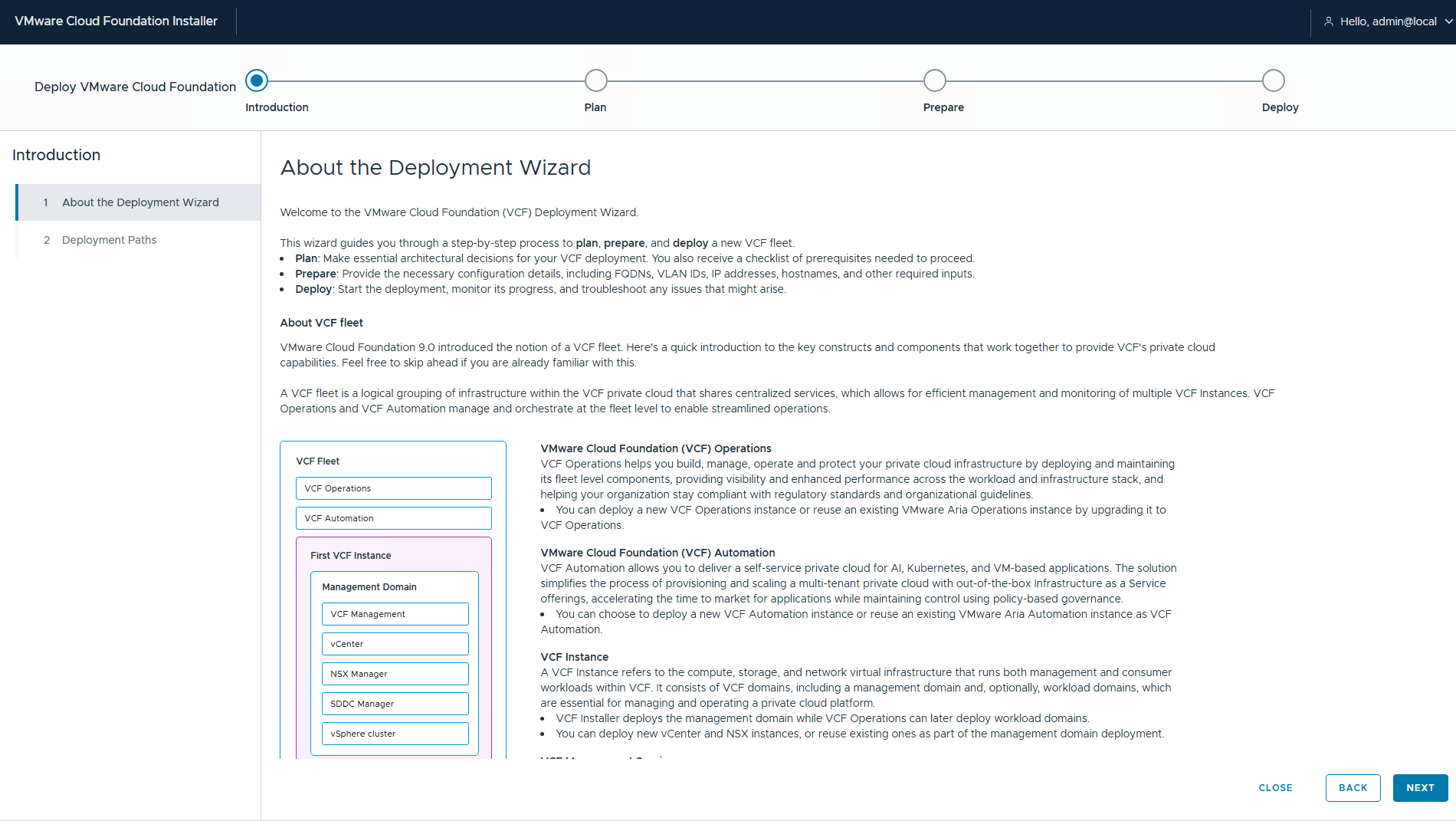
Welcome to part 3 of the VCF-9.1 home lab series. The previous post in this series discussed the VCF 9.1 high-level design and lab best practices. In this post, I will discuss the planning and preparation for deploying a VCF 9.1 fleet.

If you are not following along, I encourage you to read the earlier parts of this series from the links below:

1: Whats New in VCF 9.1

2: VCF 9.1 High-Level Design

After you have understood the VCF deployment models and the design is ready in your mind, the next step is to get familiar with the VCF Planning and Preparation Workbook. If you have been working on the VCF platform for quite some time, you already understand the importance of this workbook. The workbook is an Excel file that helps you gather the inputs required for deploying a VCF fleet. The v9.1 workbook can be downloaded from here

The VCF Installer is a ruthless validator.… Read the rest

VCF 9.1 Home Lab Series – Part 2: High-Level Design

Welcome to part 2 of the VCF-9.1 home lab series. The previous post in this series discussed the platform capabilities. In this post, I will talk about the VCF 9.1 architecture.

Understanding the architectural building blocks before you provision anything is the difference between a learning environment and a misconfigured platform you’ll rebuild three times.

The Fleet Model

VCF 9.x introduces the concept of a Fleet as the top-level organizational construct. A Fleet is managed by a common instance of VCF Operations and VCF Automation. Within a fleet, you can have one or more VCF instances, each containing one management domain and zero or more workload domains.

For a home lab, your fleet is a single-region, single-instance deployment. But architecting it with fleet semantics in mind—proper naming conventions, network segmentation, and IP allocation strategies—prepares you for realistic multi-instance designs. To learn more about the deployment topologies in VCF 9, see my previous blog here.… Read the rest

VCF 9.1 Home Lab Series – Part 1: Introduction

VCF 9.1 was released last week and created quite a buzz in the VMware community worldwide. If VCF 9.0 was the architectural reset, 9.1 is the optimization layer — the release where the new constructs introduced in 9.0 get hardened, scaled, and made operationally practical.

Over the coming posts, we’ll build a full VCF 9.1 environment from scratch in a home lab, making deliberate architectural choices at every step and explaining why—not just how. I’ll cover the management domain build, workload domain deployment, NSX design decisions, vSAN ESA configuration, VKS (vSphere Kubernetes Service), VCFA automation, and lifecycle management.

Let’s start with the foundation: what changed in 9.1, what the high-level design looks like, and the practices that distinguish production-grade thinking from home lab shortcuts.

VCF Management Services: A Unified Control Plane Runtime

The headline architectural change in 9.1 is the introduction of VCF Management Services—a common runtime that unifies the platform’s lifecycle and operational capabilities.… Read the rest